


OWNTOP: THE SCIENCE OF MOUNTAIN PREPARATION


A structured approach to mountain and high-altitude preparation, combining evidence-informed training principles, professional experience, and individualized coaching options.
OWNTOP is a specialized mountain-preparation platform built around a patented methodology. Our methodology has been used as part of the preparation for high-altitude expeditions and record-level climbing projects, including an Everest sea-to-summit speed record ascent — 3 days 23 hours



BUILD A MORE STRUCTURED APPROACH TO YOUR MOUNTAIN PREPARATION
Более
%

successful Everest summits
Более
+
clients prepared
PATENTED

METHODOLOGY
used by record-breaking climbers, Olympic athletes and professional sports teams
Более
+ years
of experience in sports performance, hypoxia and mountain preparation
Более
%
successful Everest summits
БОЛЕЕ
%
clients prepared
PATENTED
METHODOLOGY
used by record-breaking climbers, Olympic athletes and professional sports teams
БОЛЕЕ
ЛЕТ
helping people climb safely, efficiently, and with confidence
CHOOSE YOUR PROGRAM
ONLINE COURSE
ONLINE COURSE
THE SCIENCE OF MOUNTAIN PREPARATION
A foundational online course covering the key principles of mountain, trekking and high-altitude preparation through the OWNTOP 10-step framework
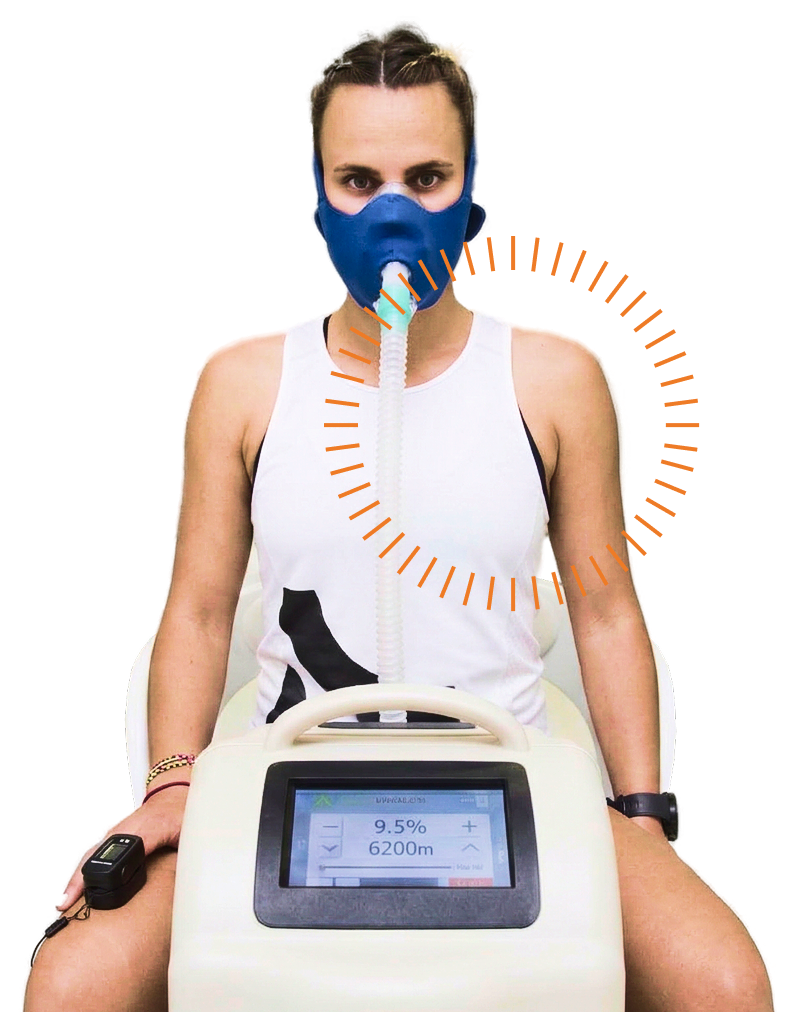
INDIVIDUALIZED HYPOXIC PERFORMANCE COACHING
A separate coaching service incorporating hypoxic training into an individualized high-altitude preparation strategy where appropriate.
PERSONALIZED HIGH-ALTITUDE PERFORMANCE COACHING
Individualized preparation based on your goals, previous experience, training response and relevant personal information.
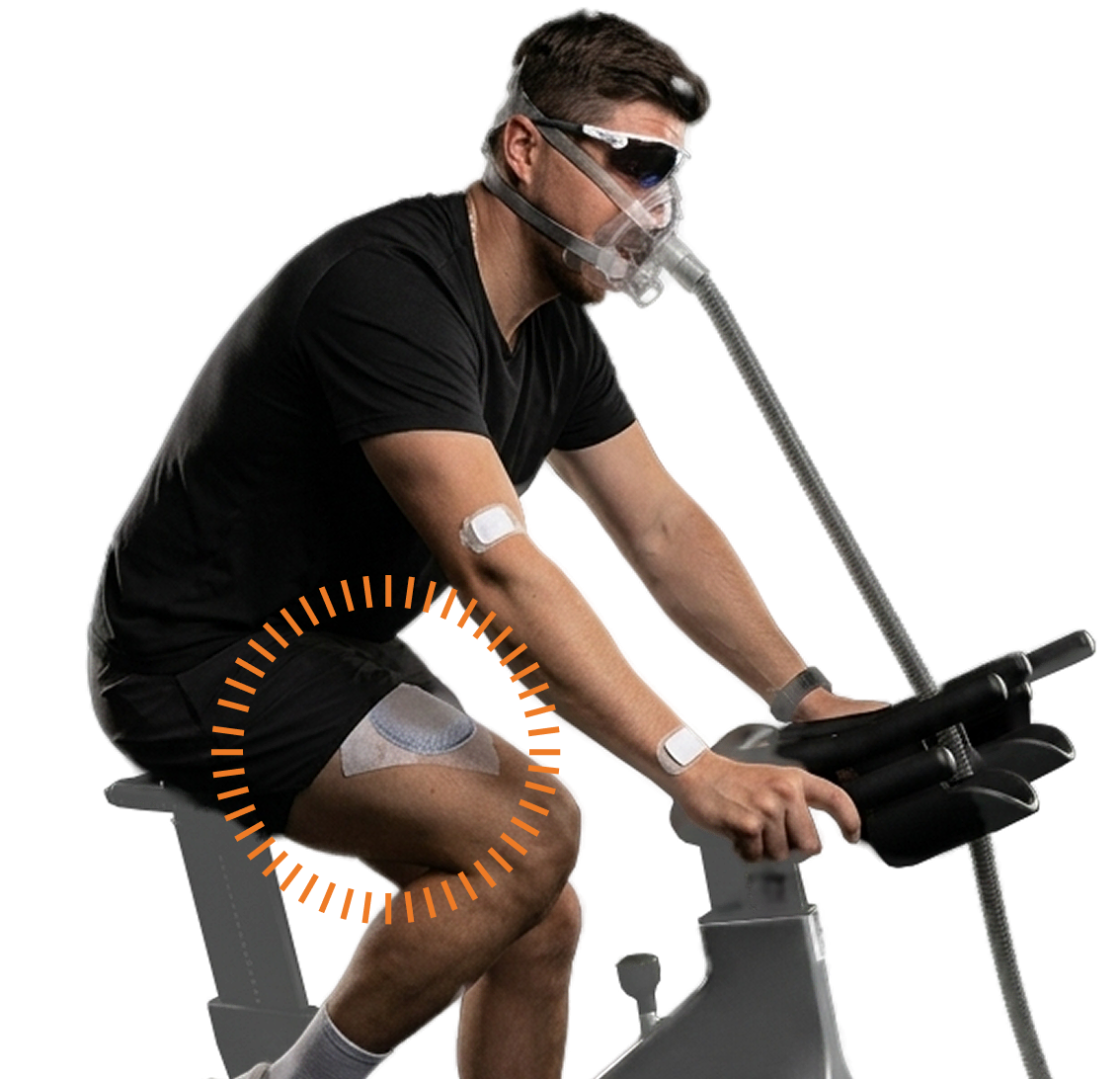
FAST-TRACK OWNTOP PREPARATION

Individualized preparation for experienced climbers working toward demanding mountain objectives within limited training and travel schedules.
The total duration of the expedition can be brought down from 6 weeks to 1 week.
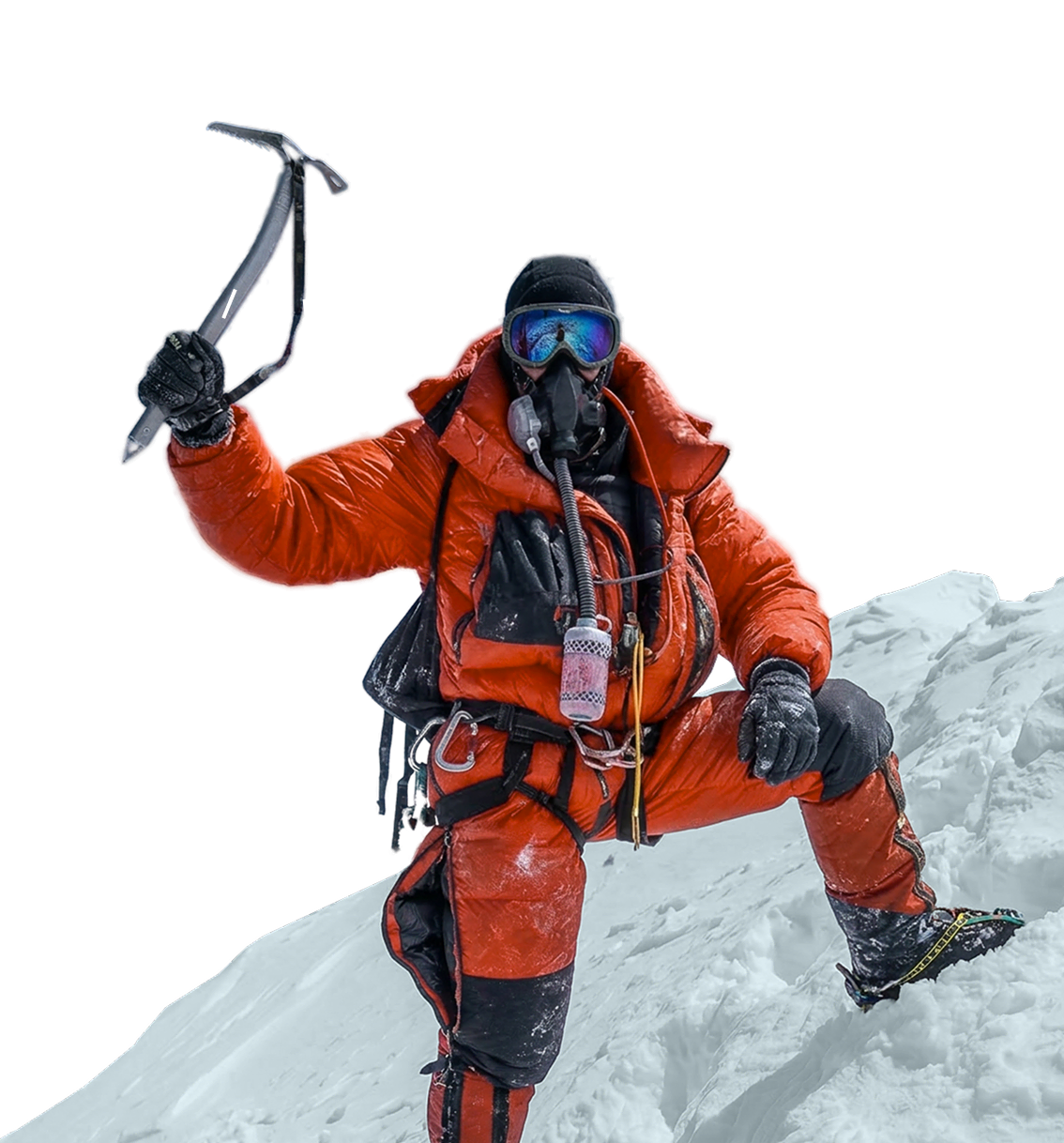
YOU DON’T NEED TO BE A SUPERMAN TO CLIMB MOUNTAINS
YOU NEED KNOWLEDGE, STRUCTURE, AND THE RIGHT PREPARATION
THE OWNTOP 10-STEP MOUNTAIN PREPARATION FRAMEWORK
A structured approach to the key components of mountain and high-altitude preparation.

ALREADY KNOW WHICH SUMMIT YOU WANT TO CLIMB?
Answer 3 simple questions and get a personalized cost estimate for your chosen expedition
Which summit do you want to climb?
Leave your contact details in the form below, and we’ll get in touch with you shortly
MYTHS ABOUT
CLIMB PREPARATION
MYTH 1. I’m in great physical shape — I train at the gym, run marathons, and have completed an Ironman. I don’t need any special preparation for the mountains
A high level of physical fitness is a real advantage on the route, but it doesn’t determine how your body will respond to one of the key factors at altitude — hypoxia, or reduced oxygen availability.
Research consistently shows that a high VO₂max or strong endurance performance does not reliably predict how an individual will respond to acute altitude exposure or protect against altitude illness. Well-trained people may also be capable of ascending quickly, while rapid ascent itself is an important risk factor for altitude illness, including:
- acute mountain sickness, which can occur from around 2,500 m
- high-altitude pulmonary edema (HAPE) and high-altitude cerebral edema (HACE), particularly at higher altitudes
- a marked drop in performance at critical points on the route
Individual physiological responses to hypoxia vary considerably and are not determined by aerobic fitness or strength alone. Two people with the same VO₂max can respond very differently to altitude.
Controlled hypoxic testing can provide additional insight into how your body responds to low-oxygen conditions. At OWNTOP, we use hypoxic testing to assess your physiological response under controlled conditions corresponding to simulated altitudes of approximately 4,000, 5,000, and 6,000 meters.
Based on these results, we can build an individualized preparation strategy designed to target physiological responses relevant to hypoxic and high-altitude exposure.
MYTH 2. You need months to prepare for a climb, plus 30–40 days of acclimatization in the mountains
Acclimatization in the mountains remains an important part of high-altitude preparation. Gradual ascent and appropriate increases in sleeping altitude are still fundamental principles of altitude risk management, and no pre-expedition program can replace them entirely.
What has changed is that all altitude preparation no longer has to begin after you arrive in the mountains.
Pre-acclimatization uses controlled hypoxic exposure before an expedition to begin stimulating some of the physiological responses associated with altitude adaptation. Research suggests that appropriately designed protocols can improve physiological responses to subsequent altitude exposure and, depending on the protocol and individual response, may reduce the risk and severity of acute mountain sickness.
In practice, this can mean:
- beginning altitude-specific physiological adaptation before travel
- arriving in the mountains with some degree of pre-acclimatization
- potentially reducing the amount of acclimatization time required on the mountain in selected cases
- allowing the expedition schedule to be planned more individually around the climber, route, altitude profile, and previous response to hypoxia
Pre-acclimatization does not guarantee successful acclimatization and does not eliminate the risk of altitude illness. Individual responses vary, and simulated normobaric hypoxia is not physiologically identical to exposure at real terrestrial altitude.
At OWNTOP, we build the preparation strategy around your specific mountain, route, experience, physiological response, and available timeline. Where appropriate, controlled hypoxic exposure can become part of that strategy before you travel — so your first meaningful exposure to hypoxia does not necessarily begin when you arrive in the mountains.
MYTH 3. I was evacuated once, so the mountains aren’t for me
An evacuation does not automatically mean that the mountains are no longer appropriate for you. It means that, during that particular ascent, your body was not coping well with the altitude or with the overall demands of the expedition.
There may be several contributing factors, such as rapid ascent, insufficient acclimatization, illness, fatigue, inadequate recovery, or an individual susceptibility to altitude illness.
Altitude illness is not about having a “strong” or “weak” character. It is a physiological response to hypobaric hypoxia, and individual susceptibility varies considerably. Some aspects of altitude preparation can be improved through better pacing, acclimatization strategy, physical preparation, and, where appropriate, pre-acclimatization.
In practice, we see people who were previously evacuated from high altitude return to the mountains after a more structured preparation process and complete demanding objectives successfully.
One important caveat: if the previous evacuation involved high-altitude pulmonary edema (HAPE), high-altitude cerebral edema (HACE), severe or unusual symptoms, or any uncertainty about the diagnosis, medical evaluation should be part of the preparation process. A previous episode can be clinically relevant when planning future altitude exposure.
At OWNTOP, we start by reviewing your previous experience, the circumstances of the evacuation, your ascent profile, symptoms, and available medical information. Where appropriate, hypoxic testing may also provide additional information about your physiological response to low-oxygen conditions.
The right takeaway from an evacuation is not necessarily “I can’t go to the mountains.” A better question is: “What happened last time, what can I learn from it, and how should I prepare differently next time?”
IRINA ZELENKOVA
Irina Zelenkova, MD, PhD.
Founder of OWNTOP and developer of the OWNTOP methodology. High-altitude preparation specialist, IOC Diploma in Sports Medicine.
Everest summiteer with over 18 years of experience in sports performance and high-altitude preparation, including work with Olympic and World Championship medalists and participants in expeditions to the world’s highest peaks and polar regions.
TRUSTED BY







MINGMA DAVID SHERPA
A distinguished Nepalese mountaineer, rescue climber, and co-founder of Elite Exped. He is renowned as the record holder for the most summits of K2 (6 times) and was a key member of the historic first-ever winter ascent of that peak. Until 2024, he held the world record as the youngest person to summit all 14 of the world’s 8,000-meter peaks. For his outstanding achievements and commitment to environmental stewardship, he was honored with the prestigious Piolet d'Or Asia "Sherpa of the Year" award.
VICTORIA BONYA
TV host, model, blogger, actress. Climbed Mount Everest and Manaslu.
NIMS (Nirmal Purja)
A former British Special Forces (SBS) soldier and a legendary mountaineer who revolutionized high-altitude speed climbing. He gained global fame through "Project Possible," during which he summited all 14 eight-thousanders in a record-breaking 6 months and 6 days. Nims also led the team for the first winter ascent of K2 and set a world record for the fastest completion of all 14 peaks without supplemental oxygen . For his exceptional contributions, he was awarded the Member of the Order of the British Empire (MBE) and the Piolet d'Or Asia.
VLADIMIR KOTLYAR
A professional mountain guide and high-altitude filmmaker specializing in expeditions of the highest difficulty. He is well-known for completing the "Seven Summits" program, reaching the highest points of all continents, including Antarctica. He has completed over 140 ascents, including 5 summits of Everest, 2 of Manaslu, 2 of K2, and 1 of Makalu. In 2023, he summitted K2 as a high-altitude operator, ensuring the filming of the documentary "The High Altitude Gene 2: Mountain of Mountains".
ALEXANDER ABRAMOV
President of the "7 Summits Club," Master of Sports of the USSR, and one of the world's most experienced organizers of high-altitude expeditions . He has reached the summit of Everest 12 times and has successfully completed the "Seven Summits" program three times. In 2024–2025, he set a world record by completing the "Seven Volcanoes" program in just 66 days. Abramov is a USSR Champion in mountaineering and chairs the coaching council of the Moscow Mountaineering Federation.
TEJAN GURUNG
A professional mountaineer and former British Army commando. He made history as the youngest Briton to summit all 14 of the world's 8,000-meter peaks, completing the program in just 2 years and 4 months . "TJ" also established a team speed record by ascending all five of Pakistan's 8,000-meter peaks in only 26 days . His accomplishments have been recognized with honorary awards from the Nepal Tourism Board and the Gandaki Province tourism authorities.
VALERY BABANOV
A legendary Russian mountaineer, International Master of Sports, and the first person in Russia to earn the international IFMGA mountain guide diploma . He is famous for his extremely difficult technical solo first ascents on mountain faces previously considered inaccessible . Babanov is one of the few climbers in the world to be a two-time laureate of the "Piolet d'Or," the highest international award in alpinism. His honors also include Italy’s "Silver Gentian" and Russia’s "Golden Edelweiss".
BOOK A PERSONAL PREPARATION CONSULTATION
Discuss your objectives and explore whether individualized OWNTOP coaching may be appropriate for your preparation needs.

Irina Zelenkova, self-employed professional (autónoma), Spain
NIE/NIF: Y7411519J
Independencia 317, 1-3, 08026 Barcelona, Spain
Email: dririnazelenkova@gmail.com
OWNTOP provides educational and sports-performance services. The Online Course does not provide individualized medical diagnosis, treatment, prescription or medical clearance. Individual responses to training, altitude and hypoxic exposure vary, and no course or coaching program can guarantee acclimatization, prevention of altitude-related illness, summit success or safe participation in a particular expedition.